
Why Review Consistency Matters More Than Review Count
Many local businesses focus on reviews in bursts. A reminder goes out, a handful of five-star reviews come in, and then the process fades into the background for months.
That pattern is common—but it creates a visible gap. Customers notice it, and so do search platforms.
What tends to matter more over time isn’t how many reviews you’ve collected historically. It’s whether feedback continues to appear at a steady pace that reflects current customer activity.
How Review Timing Shapes Trust and Visibility
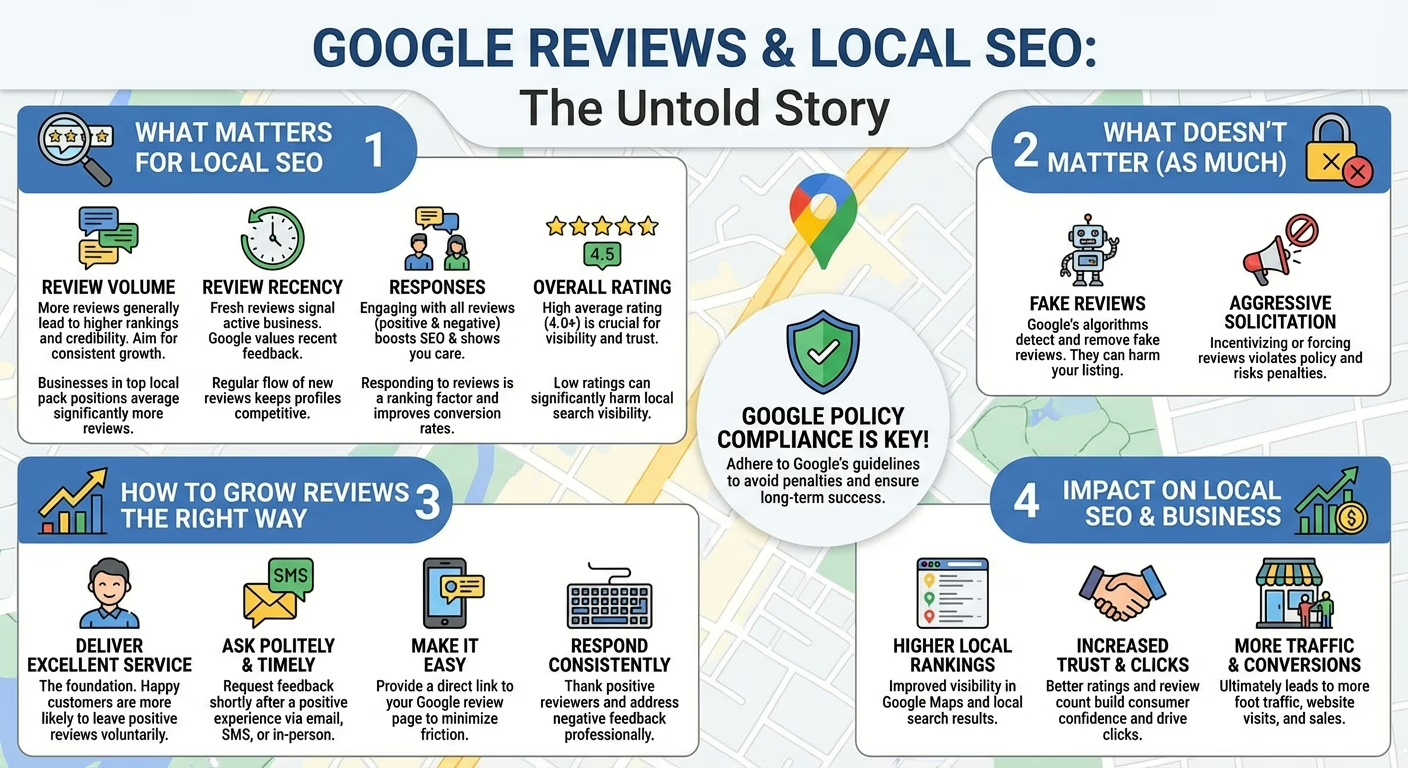
When someone compares local businesses, star ratings are only part of the decision. Timing plays a quiet but important role. Recent reviews suggest that a business is active, responsive, and still delivering the same level of service today.
Search platforms reflect that same reality. While Google doesn’t publish a checklist of ranking factors, industry research consistently shows that review recency, frequency, and engagement correlate with stronger local visibility. These signals don’t reward sudden spikes. They align more closely with ongoing customer interaction.
BrightLocal’s 2024 Local Consumer Review Survey reinforces this from the consumer side. Nearly all consumers read online reviews for local businesses, and the freshness of those reviews strongly influences whether a business feels trustworthy.
What “Healthy” Review Activity Looks Like in Practice
There’s no universal benchmark for review volume. Different businesses naturally generate feedback at different rates:
- Restaurants and retail locations often receive reviews weekly
- Home service businesses commonly see a few per month
- Professional and B2B services may receive reviews less frequently, but still on a consistent cadence
What matters most is avoiding long stretches of inactivity. A slow, predictable pattern signals continued customer engagement more clearly than a large batch followed by silence.
Why Consistency Matters in Competitive Local Markets
Local search visibility is relative. When multiple businesses offer the same service in the same area, small signals often separate who appears more prominent.
Studies like Moz’s Local Search Ranking Factors show that review-related signals regularly correlate with stronger local performance. That doesn’t mean a business drops rankings the moment reviews pause. It does mean that when competitors continue earning new feedback and you don’t, your listing can begin to look less current by comparison.
Over time, that difference can affect click-through rates, inquiry volume, and perceived credibility—especially in service-based industries where trust is the deciding factor.
Reviews as an Operational Signal, Not Just a Marketing One
Regular reviews don’t only help with visibility. They provide ongoing insight into how customers experience your business.
Steady feedback makes it easier to spot recurring issues, understand what clients value most, and respond while the interaction is still fresh. Responding to reviews—especially recent ones—also reinforces attentiveness. Google has publicly acknowledged review responses as a positive business practice, and customers notice them as well.
When reviews are sporadic, engagement often becomes reactive rather than natural.
Building a Review Process That Doesn’t Feel Forced
The most sustainable review strategies aren’t campaign-based. They’re process-based.
Effective approaches usually include:
- Asking at moments where satisfaction is already clear, such as after a completed job or resolved issue
- Keeping the request simple and direct
- Using existing workflows like invoices, follow-ups, or thank-you messages
- Watching for gaps; going six to eight weeks without new feedback often signals the ask has slipped out of the process
This doesn’t require automation software or aggressive follow-ups. It requires consistency.
Shortcuts That Create Long-Term Risk
Some tactics reliably cause problems:
- Incentivizing reviews with discounts or gifts, which violates Google Business Profile guidelines
- Review gating that selectively filters who is asked to leave public feedback
- Purchased or fabricated reviews, which often lead to trust and visibility issues later
These approaches may create short-term gains, but they undermine credibility over time.
Where Most Businesses Get Stuck
In practice, review slowdowns rarely point to poor service. They point to missing systems. The work is being done. Customers are satisfied. The ask just isn’t happening consistently.
That’s where many local businesses benefit from outside help—not to chase reviews, but to build a process that fits their actual workflow.
At The Affordable Web Guy, review strategy is treated as part of local SEO infrastructure, not a one-off tactic. The focus is on making review requests sustainable, compliant, and aligned with how the business already operates.
Consistent reviews don’t come from pressure. They come from systems that run quietly in the background.
If you’d like help turning reviews into a steady trust signal instead of a recurring scramble, you can start here!


Leave A Comment